


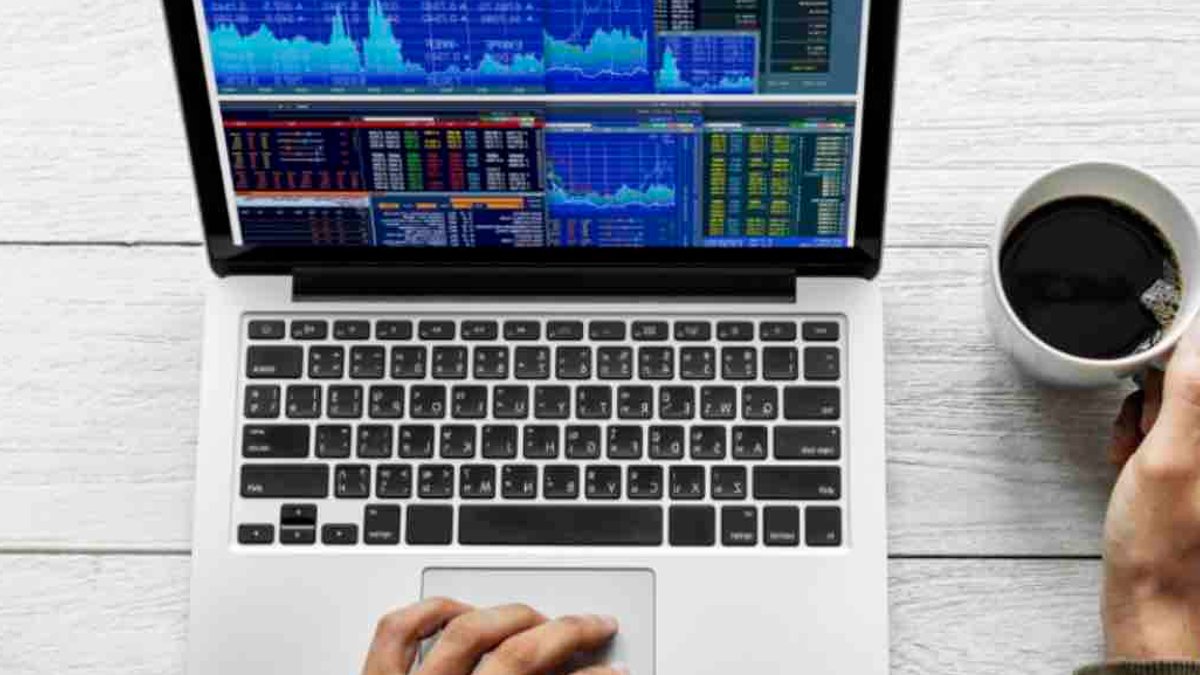
Most beginner forex traders lose money quickly because they start without understanding how the market works. The internet makes trading appear simple—click a button, watch numbers move, collect profits. In practice, even small mistakes can wipe out an account in hours.
New traders often enter the market without knowing what drives currency prices. Economic reports, central bank policies, interest rates, and global events all shift exchange rates in ways that aren’t immediately clear. Without this knowledge, traders rely on guesswork rather than informed decisions. A single unexpected interest rate change can reverse a trade in minutes. Those who don’t follow economic calendars won’t see it coming and may assume bad luck instead of poor preparation.
Risk management determines whether traders survive or fail.
Many focus only on potential profits. They use leverage to amplify gains, unaware it also magnifies losses. A 1% move against a leveraged position can erase 10% or more of an account. Without stop-loss orders, one bad trade can undo weeks of progress.
Related: Real-World Asset Tokenization Gains Traction in Finance
Some refuse to cut losses, hoping the market will reverse. Others double down after a loss, chasing their money in a cycle of emotional decisions. The market doesn’t respond to hope or frustration—it moves on its own logic, and those who ignore risk management don’t last.
Even professional traders lose money on many trades. The key difference is that professionals limit losses and let winners run. Amateurs do the opposite: they take profits too soon and hold onto losers too long.
Trading requires controlling fear and greed. A beginner might close a profitable trade too early out of fear the market will turn. Or they’ll hold a losing position too long, convinced it will recover. Both decisions stem from emotion, not strategy.
Revenge trading is another trap. After a loss, some immediately open another position to recover funds. These trades are almost always impulsive, based on frustration rather than logic. The market doesn’t reward impulsivity—it penalizes it.
Discipline separates successful traders from the rest. Sticking to a plan, even when it feels tedious, is harder than it seems. Most beginners abandon their strategies after a few losses, believing they’ve found a better approach. They haven’t—they’ve simply given in to emotion.
Related: Nicholas Kjos Closes $2.195 Million Terrell Hills Listing
Analysis forms the foundation of trading. Without technical and fundamental analysis, it becomes little more than gambling. Technical analysis helps traders read charts, spot trends, and identify key support and resistance levels. Fundamental analysis explains why prices move—why a currency strengthens after a strong jobs report or weakens after a central bank cuts rates.
Beginners who skip analysis rely on tips, hunches, or social media signals. These rarely succeed. The market doesn’t move because of a tweet—it moves due to economic forces, and those who don’t understand these forces always lag behind.
Combining both types of analysis provides an advantage. Technicals show when to enter or exit a trade. Fundamentals explain why the trade makes sense. Without both, traders operate blindly.
Many beginners enter trading with unrealistic expectations. They expect to turn $1,000 into $10,000 in a month. When that doesn’t happen, frustration leads to reckless decisions—overtrading, chasing losses, or constantly switching strategies.
Related: Earned Media Boosts AI Visibility Says Expert
Trading isn’t a get-rich-quick scheme. It’s a skill that takes time to develop. Those who treat it like a lottery will lose money. Those who approach it like a business—keeping records, reviewing mistakes, and refining their methods—have a better chance of success.
Most who fail aren’t lacking intelligence. They lack patience. They want results immediately, not in six months or a year. The market doesn’t accommodate their timeline. It rewards those who are prepared, disciplined, and realistic.
Education doesn’t guarantee success, but it improves the odds. Traders who learn market fundamentals, risk management, and analysis make fewer avoidable mistakes. They still lose money—every trader does—but they lose less and learn from it.
The ones who last aren’t the luckiest. They’re the ones who treated trading as a craft, not a gamble.


