


Shippers are increasingly turning to port-to-inland transit options to de-risk their supply chains. APM Terminals Mobile managing director Brian Harold told Supply Chain Dive that consistent cargo flows make planning easier for these companies. He noted that diversification is the current priority for shippers who do not want to put all their eggs in one basket.
De-risking global routes
Harold said the shift is largely about risk management. If cargo travels through a choke point like the Panama Canal or the Red Sea, and issues arise, shippers face significant problems. A port-to-inland route provides an alternative that can mitigate these specific vulnerabilities.
Cost reduction is another major driver. Harold explained that inland routes allow for shorter truck moves compared to long ocean hauls. This reduces empty miles and maximizes the use of rail capacity that is often congested in ocean freight corridors.
Lowering costs through efficiency
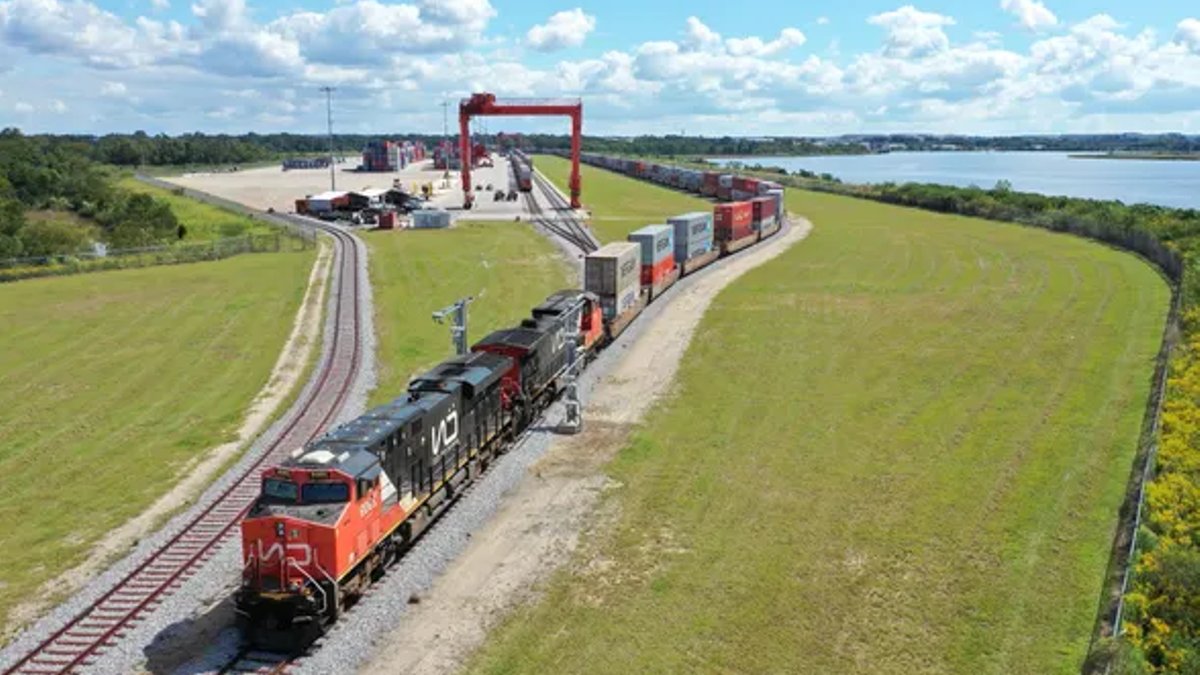
The Port of Mobile serves as a primary example of this model. APM Terminals operates the only container terminal at the port, which opened in 2008 and added a rail facility in 2016. Prior to that, there was no intermodal rail connectivity in Mobile, Alabama. The facility currently handles about 600,000 TEUs annually with the potential to move up to 2.5 million TEUs.
Read Also: Lego Invests $400M in Mexico Plant Expansion
Harold emphasized that shorter hauls save money. A shipper avoids trucking a container 300 miles to a port and then returning the chassis 300 miles. When cargo moves only a mile or two to an inland site, the railroad takes over. This change removes the responsibility of returning the empty container to the ocean port.
Additional factors influence these decisions. Shippers compare the costs of trucking versus rail and rail versus barge. State laws regarding overweight cargo on trucks also play a role. Hours of service rules that limit driver operating time further make longer truck hauls more difficult.
Investment in Gateway Expansion
Officials are investing heavily in the gateway along with the state. The ship channel is being deepened and widened. The terminal has been expanded five times over the past ten years. The company has invested over a billion dollars in these projects.
Automotive supply chain needs
Alabama relies heavily on the automotive sector. The state’s ecosystem includes multiple Tier 1 and Tier 2 suppliers that require flexible logistics. Harold noted that ports must be agile to cater to the complex needs of auto manufacturers. If these manufacturers do not receive cargo on time, entire production lines can shut down, costing thousands of dollars.
Read Also: Tariff refunds pose legal risks for companies
Harold said that expediting cargo within 24 hours of vessel arrival to an inland site near a distribution center offers a stability advantage. This rapid transfer helps keep the supply chain moving without interruption.
Capacity advantages on the Gulf
Access to Class 1 railroads provides Mobile with a distinct competitive edge. Harold pointed out that specific railroads like Canadian National lack direct access to U.S. East and West Coast ports. Instead, they utilize Gulf ports to reach new markets.
Capacity is available on these rail lines. West and East Coast lanes are heavily utilized with little room for additional growth. The Gulf region offers a tremendous amount of available capacity for containerized cargo on these rail lines.
From a shipper’s perspective, moving goods through the Gulf allows access to rail networks that otherwise remain disconnected from major ocean gateways. This connectivity creates an alternative path for goods that bypasses the congested coastal corridors.


