


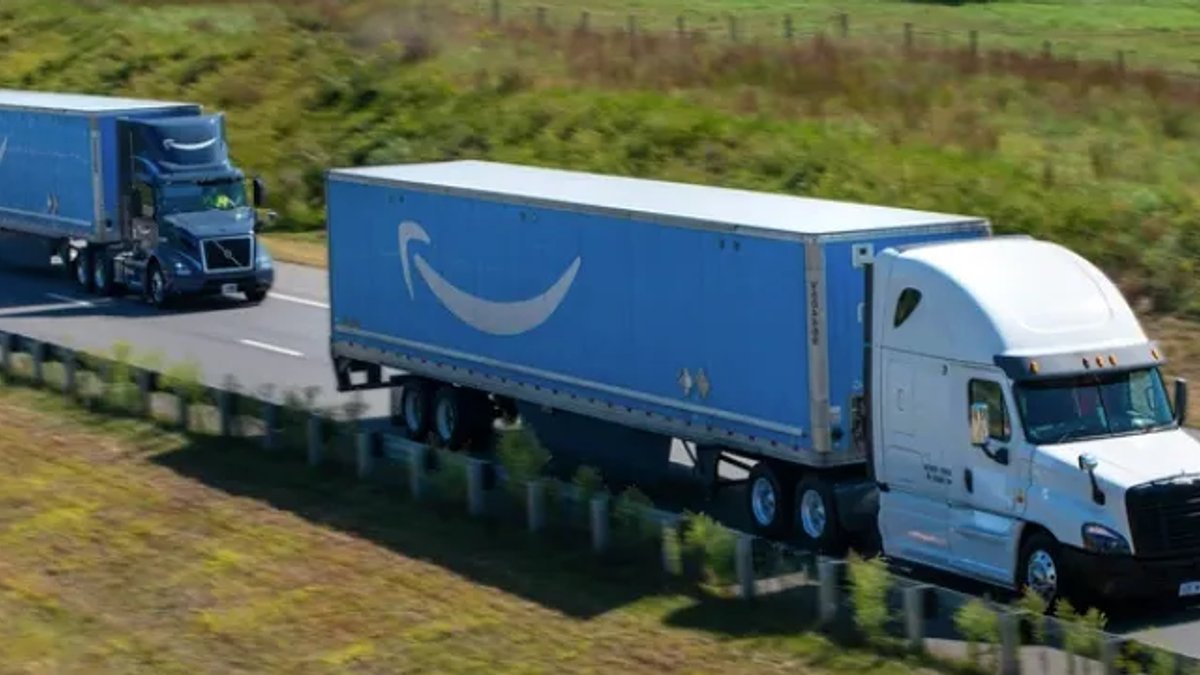
Amazon is rolling out new shipping solutions tailored to sellers who handle heavy and bulky items, aiming to lower costs and accelerate delivery times. The company will begin offering less-than-truckload (LTL) shipping labels through Amazon Buy Shipping in October, accessible via Seller Central or third-party integrations. These labels come with discounted rates and protections against late deliveries, helping sellers avoid disputes that can squeeze their profit margins.
This initiative builds on Amazon’s efforts to simplify the shipping of large products. By early 2027, the platform will launch regional delivery pricing, allowing sellers to set location-based shipping fees rather than relying on uniform rates. This flexibility could enable free shipping in areas where costs are manageable. Additionally, sellers will connect directly with local carriers for same-day or next-day delivery within 100 miles of Amazon warehouses. The Amazon Seller Flex program, currently limited to invited participants, will also expand to handle bulky orders fulfilled from sellers’ own storage spaces. Once packed, Amazon takes over, managing pickups, in-home delivery, installation, customer support, and returns, replacing vague delivery windows with specific dates at checkout.
Early adopters of these services report sales increases of more than 2.5 times compared to those shipping bulky items on their own. The push targets a rapidly expanding segment: heavy and oversized products now rank among Amazon’s fastest-growing merchant categories. Rivals like Costco, Wayfair, and The Home Depot have already invested in their own logistics networks to meet rising demand. Costco’s delivery service for appliances and furniture saw growth in 2024, while Wayfair expanded its CastleGate logistics network the following year. Meanwhile, The Home Depot introduced real-time tracking for large items this year using handheld delivery devices.
For sellers, especially smaller operations without dedicated logistics teams, these updates streamline a process that often involves specialized packaging, carrier negotiations, and damage claims. By bundling negotiated rates, regional pricing, and end-to-end fulfillment into one system, Amazon reduces the administrative burden. Without such tools, sellers would need to coordinate multiple carriers, resolve delivery disputes, and offer broad delivery estimates. Shifting these responsibilities to the platform lets them focus on inventory while ensuring customers receive reliable, trackable service.


