


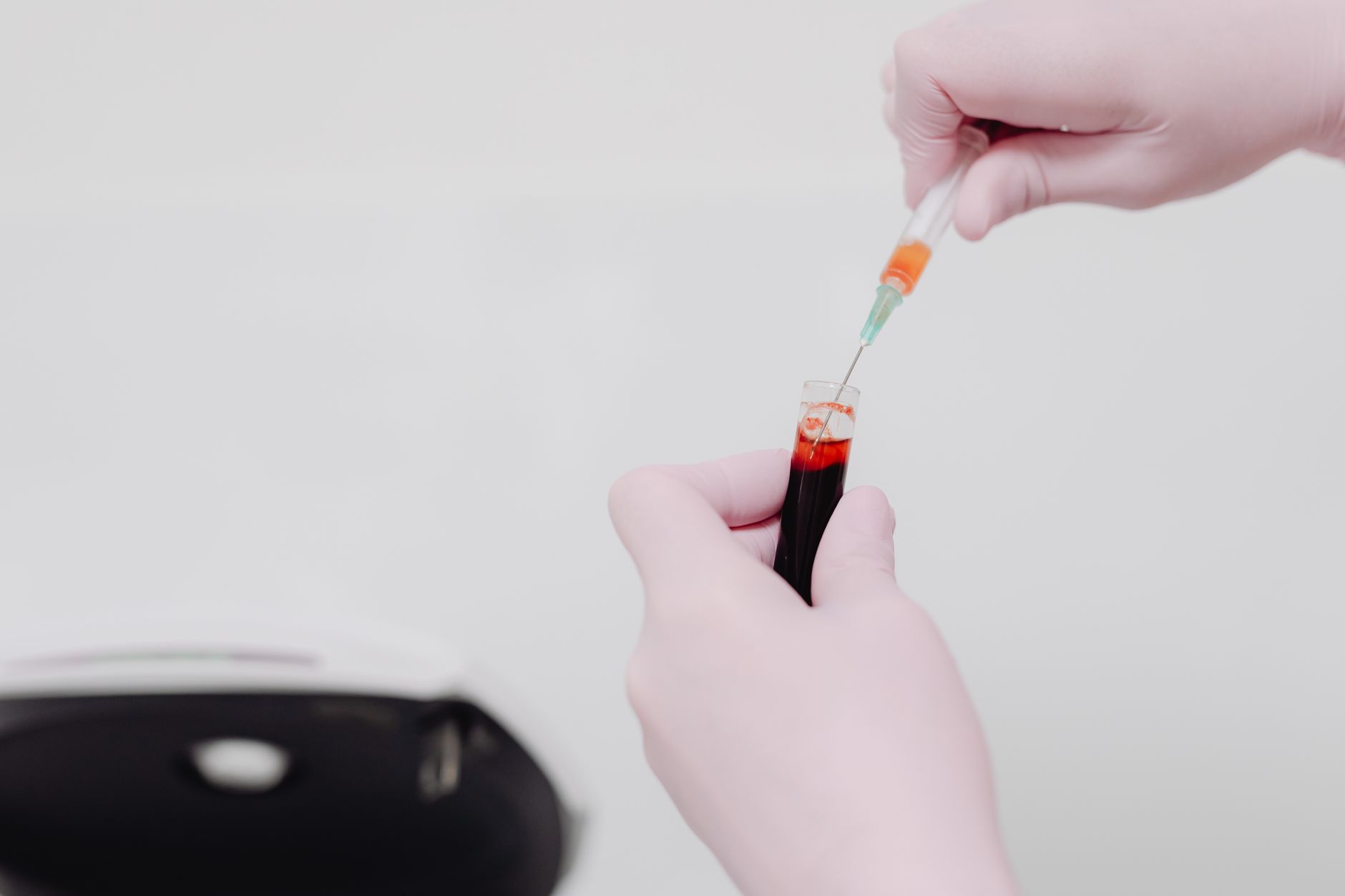
The U.S. Food and Drug Administration has approved Mimrylo (rusfertide), a new treatment for adults with polycythemia vera, a rare blood disorder that causes the body to produce too many red blood cells. This excess volume thickens the blood and raises the risk of cardiovascular complications, including blood clots, stroke, and heart attack. Mimrylo represents the first approved therapy for this condition that mimics hepcidin, a natural hormone regulating iron levels. By restricting iron availability, the drug aims to curb excessive red blood cell production and stabilize patient levels.
Tanya Wroblewski, M.D., director of the Division of Nonmalignant Hematology within the FDA’s Center for Drug Evaluation and Research, said patients living with polycythemia vera often face the burden of frequent blood draws. She noted that today’s approval offers a new, first-in-class option that has the potential to meaningfully reduce this burden. A primary treatment goal is keeping the proportion of red blood cells in the blood, or hematocrit, below 45% to mitigate cardiovascular risks. This often necessitates phlebotomy, the removal of blood from a vein to lower red blood cell counts. However, some patients continue to require frequent phlebotomies despite existing therapies, creating a persistent management challenge.
Related: AI budgets require smart investment strategies
The safety and efficacy of Mimrylo were assessed in the VERIFY trial, a multicenter, randomized, double-blind, placebo-controlled phase 3 study involving 293 adults with polycythemia vera who required frequent phlebotomies despite ongoing standard-of-care therapy. Patients were randomized 1:1 to receive either Mimrylo or placebo for 32 weeks. The treatment began at 19 mg administered subcutaneously once weekly and was titrated to maintain hematocrit levels below 45%. Efficacy was measured by the proportion of patients not meeting criteria for phlebotomy between weeks 20 and 32. During this period, 76.9% of patients on Mimrylo required no phlebotomies compared to 32.9% on placebo. The most common adverse reactions reported were injection site reactions and anemia.
Help The FINANCIAL continue delivering quality business and financial news.Support from as little as $1. If you can, please consider supporting us with a regular amount each month. Thank you


