


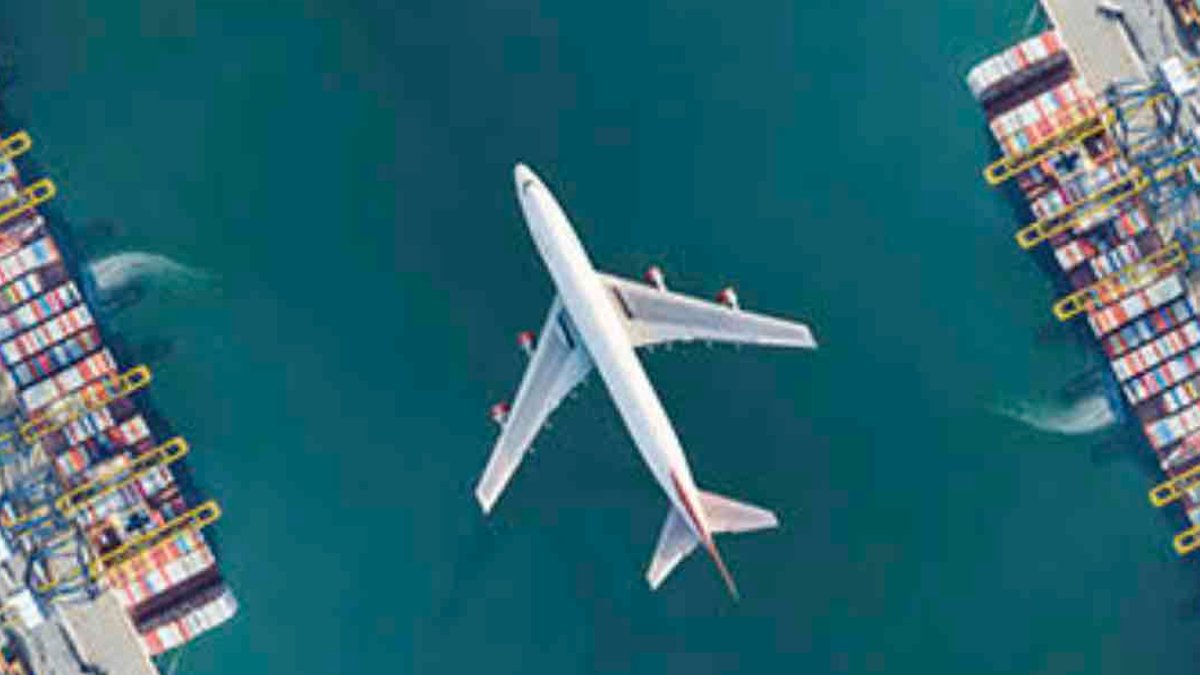
Air freight shipping remains a primary method for companies needing to move goods across long distances in a limited timeframe. While speed is the most obvious benefit, the decision to utilize aircraft for logistics involves balancing delivery deadlines against budget constraints, cargo dimensions, and specific destination requirements.
The process of moving cargo by air typically begins at the sender’s facility, where goods are packaged and labeled. After transit to the airport, shipments undergo security screening and handling procedures before being loaded onto either dedicated freight planes or the cargo holds of passenger aircraft. Once the flight lands, the items must clear customs before local transportation providers deliver them to the final recipient.
Documentation is a significant component of this workflow. Shippers are responsible for providing accurate invoices, packing lists, and necessary customs paperwork. In many instances, the specific nature of the goods may necessitate additional permits or specialized certificates to satisfy airline and international regulatory standards.
Related: Foreign Clinics Lure US Fertility Patients Abroad
While air transport is often faster than sea or land-based alternatives, it is generally more expensive. Costs are determined by a combination of variables, including shipment weight, dimensions, fuel surcharges, and airport handling fees.
Modern supply chains often treat aviation as a tactical tool for addressing unforeseen stock shortages or urgent customer demands.
Not all goods are suitable for flight. Items such as electronic equipment, urgent spare parts, and high-value machinery are common candidates. Conversely, extremely large or heavy items may prove uneconomical, as they consume substantial aircraft space. There are also strict, sometimes prohibitive rules regarding the transport of hazardous materials, which require rigorous adherence to safety protocols.
Related: Real-World Asset Tokenization Gains Traction in Finance
When selecting a logistics provider, companies should evaluate more than just the initial price quote. The effectiveness of a service often depends on the provider’s international network and their capacity to manage customs clearance.
Ultimately, the choice to use air freight depends on the specific requirements of the shipment. Businesses that analyze the total cost of delivery, rather than focusing solely on the flight itself, are better positioned to integrate this transport method into their operations. Careful planning ensures that air transport serves as a functional tool for managing urgent supply chain needs.
The industry continues to evolve, reflecting broader changes in global trade. Companies often look for ways to optimize their routes and reduce potential bottlenecks. They must remain vigilant regarding changing international laws and airport policies. Shippers should monitor


