


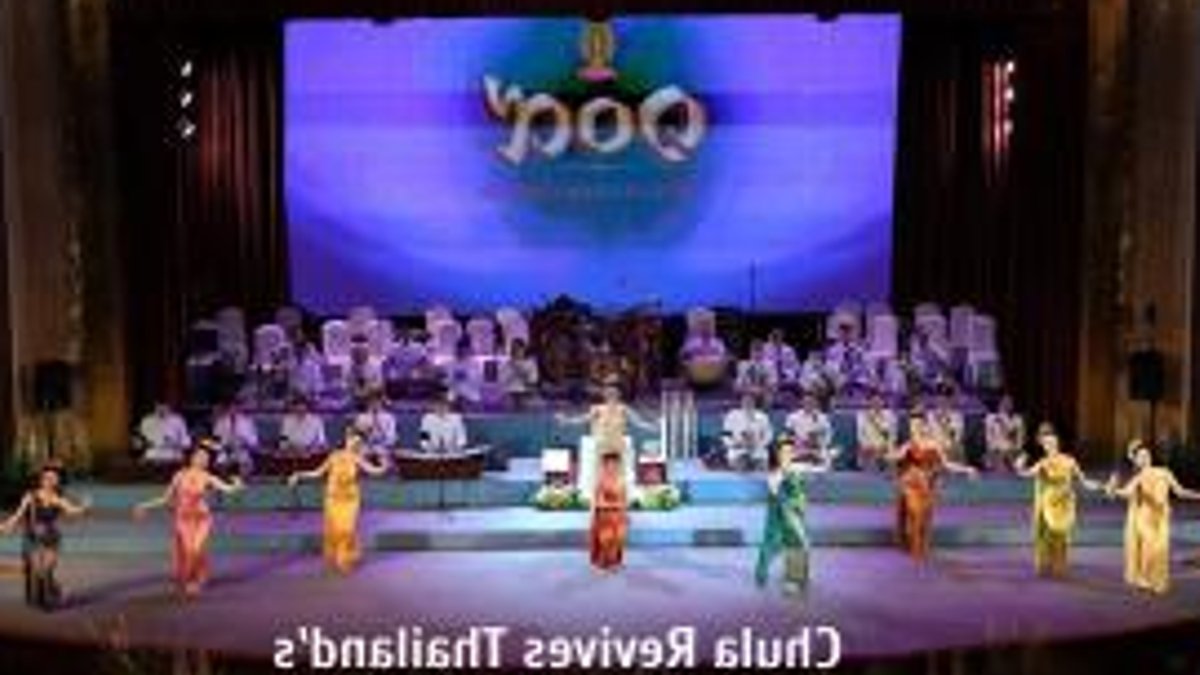
For nearly four decades, Chulalongkorn University has spearheaded efforts to preserve piphat dukdamban, a rare Thai classical music ensemble distinguished by its soft, mellow sound. The university is dedicated to ensuring that this unique musical tradition continues to be passed on to future generations through a complex approach that includes education, research, and public performance. This long-standing commitment is part of a broader cultural mission to maintain the artistic heritage of Thailand within a modern academic framework.
The revitalization of this art form is presented to the public annually on March 26 as a key component of the university’s anniversary celebrations. Over time, this performance has become one of the few opportunities for audiences to experience the nearly forgotten musical tradition in a live setting. The scale of the production is substantial, as demonstrated by this year’s event, which featured more than 150 musicians, vocalists, and dancers. These performers dedicated over three months to preparing for the production, highlighting the complexity and discipline required to execute the repertoire correctly.
Audience members familiar with standard Thai classical music will notice a distinct auditory shift, as piphat dukdamban differs significantly from the bright, powerful sound of the traditional piphat ensemble commonly heard in standard Thai ceremonies and khon performances. Instead, piphat dukdamban is celebrated for its soft, deep, and refined tones. This specific ensemble emerged during the reign of King Rama V, a period when Prince Narisara Nuvadtivongs drew inspiration from European opera. Consequently, he redesigned the traditional piphat orchestra by utilizing gentler instruments and introducing new musical innovations to achieve a more delicate soundscape.
The evolution of the genre continued as Chao Phraya Thewet Wongwiwat developed a new theatrical form specifically designed for visiting foreign dignitaries. In this innovative format, performers were required to both act and sing, effectively creating a Thai opera-style performance. This integration of drama and vocal music added a layer of sophistication that differentiated the genre from purely instrumental ensembles, providing a richer cultural experience for international observers.
Although the tradition flourished during the late nineteenth century, it gradually disappeared following the closure of the Dukdamban Theatre. Compounding this loss was a shift in changing social conditions that reduced the available opportunities for performance. As a result, by the mid-twentieth century, there were very few practitioners remaining who possessed the knowledge and skills to perform the genre.
Related: Small Business Expert Offers Solo Venture Advice
The systematic revival began in 1985 when Chulalongkorn University launched a dedicated preservation project in preparation for the 60th birthday celebrations of His Majesty King Bhumibol Adulyadej The Great. To achieve this, the university assembled a group of leading Thai music scholars and master musicians. Their objective was to document the repertoire thoroughly and train a new generation of performers to master the subtleties of the style. Since 1987, piphat dukdamban has been performed annually at Chulalongkorn University, solidifying its status as a signature cultural tradition.
According to Kunchit Jitratan, Director of the CU Office of Art and Culture, preserving piphat dukdamban requires three essential components: skilled musicians, sustained institutional support, and audiences willing to keep the tradition alive. Chula has sought to ensure the presence of all three factors by integrating the repertoire directly into the curriculum of the Faculty of Fine and Applied Arts. This strategic move ensures that every Thai music student at the university studies the tradition, thereby guaranteeing a continuous pipeline of trained artists.
Furthermore, through its Office of Art and Culture, the university maintains one of Thailand’s most full collections of Thai music resources. This extensive archive includes instruments, recordings, research materials, photographs, and archival documents, all of which are made available to the public. By providing access to these historical materials and embedding the art form in the academic curriculum, the university works to sustain the vitality of this enduring cultural practice.
Read the full article at https://www.chula.ac.th/en/highlight/411366/Chula Communication Center


