


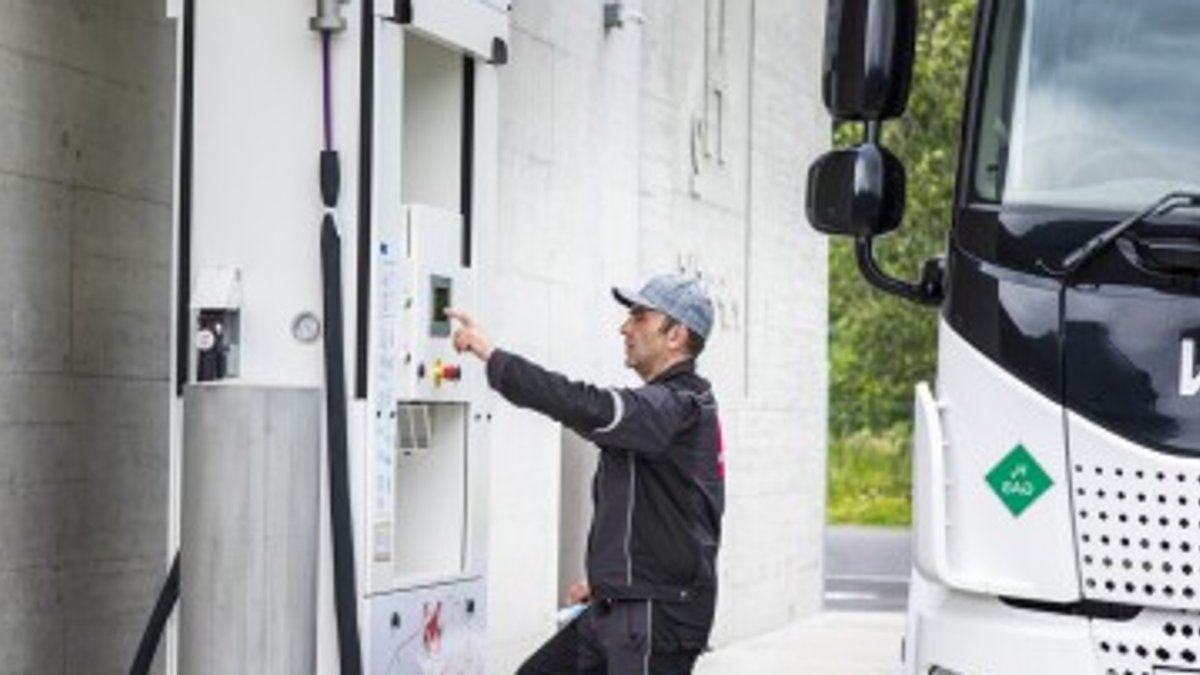
Linde LienHwa is advancing Taiwan’s hydrogen energy goals through its “hydrogen as a service” model. The company is focusing on heavy-duty transportation, which it sees as the most promising market for hydrogen fuel. This focus is driven by hydrogen’s superior service and loading capacity compared to regular fuels, its very short refuelling time, and its reasonable fuel cost, provided government subsidies are in place.
According to Jerry Lin, Merchant & Clean Energy Business Development Manager at Linde LienHwa, the company’s offering goes beyond just selling hydrogen. It includes a total solution, such as supplying hydrogen, building refuelling stations, and providing other related services. Lin emphasized that this wide-ranging approach is key to enabling hydrogen use in Taiwan.
Read Also: EU Proposes Reforms for Enlargement, Democracy Protection
Expanding Infrastructure and Government Support
Linde LienHwa built its first hydrogen station in Taiwan last year, in Kaohsiung in the south of the country. By late 2026, it plans to add another station, possibly near Taipei or Taichung, Taiwan’s second-largest city. The company is working closely with the government to secure subsidies, as hydrogen currently costs more than electricity or diesel. Lin noted that the government aims to level the playing field by providing subsidies to ensure hydrogen’s cost per kilometre matches that of electricity and diesel, though specific details on these subsidies remain unclear.
Low-Carbon Hydrogen and Transportation Challenges
Linde LienHwa produces what it calls “low-carbon hydrogen” using steam reforming technology. This process naturally generates carbon dioxide, which the company captures and repurposes in other processes. The resulting low-carbon hydrogen is used across all its products, customers, and markets. Lin explained that this approach allows the company to minimize its carbon footprint while producing hydrogen efficiently.
When asked about the challenges of transporting hydrogen, Lin explains that it’s a matter of demand. In Taiwan, the company uses trailers to transport hydrogen as a gas, which is more suitable for the local market. This method allows trucks to reach any part of the island within four to five hours, making it a practical and efficient solution for the relatively small size of Taiwan compared to larger hydrogen markets like India.
Read Also: Trump aide’s daughter visit to Bosnia’s Republika Srpska sparks scandal
While Linde LienHwa’s infrastructure in Taiwan is still modest, with only one refuelling station, the company’s goal of expanding to other areas in the coming years remains a significant step toward establishing hydrogen as a viable energy source in the country. The planned expansion to the north or central areas is seen as key for increasing accessibility and demand for hydrogen fuel.
A Gradual Transition to Hydrogen
The transition to hydrogen as a mainstream fuel source will likely be gradual, with heavy-duty transportation leading the way. As more refuelling stations are built and the cost of hydrogen becomes more competitive through government subsidies, other sectors may begin to adopt this clean energy source. Lin believes that the success of this transition will depend heavily on continued government support and the development of a robust hydrogen infrastructure.


