


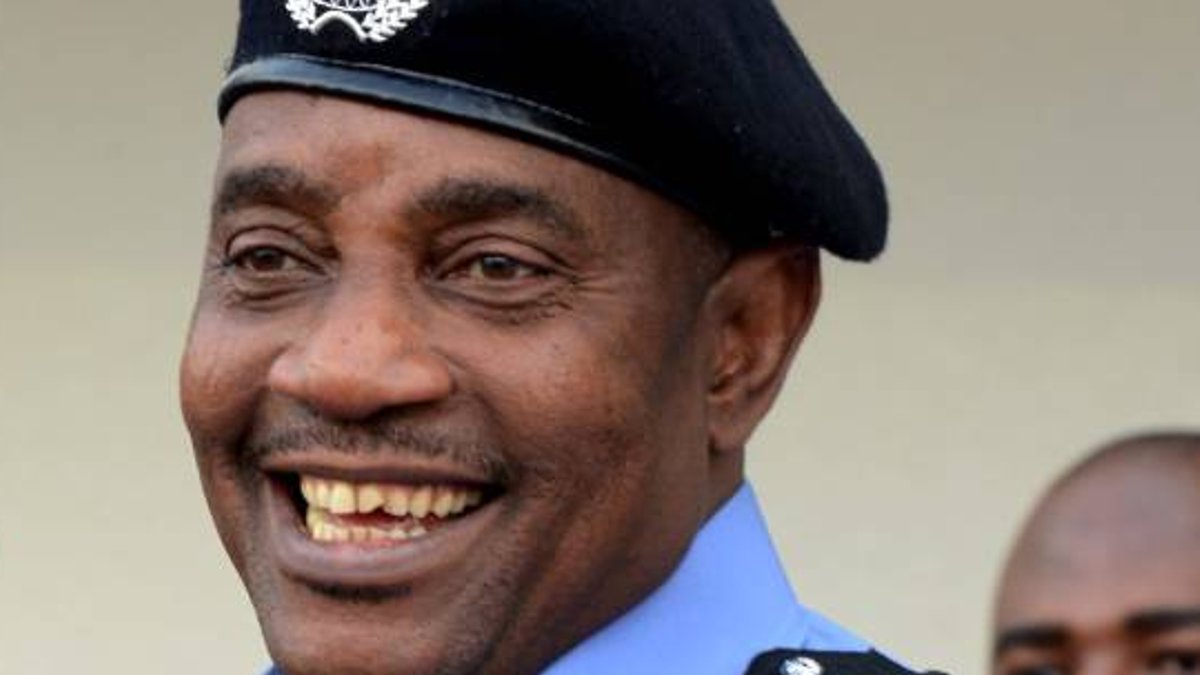
Solomon Arase, the former Inspector‑General of Police who steered Nigeria’s law‑enforcement agency through a period of significant change, died at age 69 on August 31, 2025, after a brief illness at Cedarcrest Hospital in Abuja.
Official reaction and public mourning
His son, Solomon Arase Jr., released a family statement confirming the time of death and noting the former IGP’s titles, including PhD, CFR, NPM and FDC. The current Inspector‑General, Kayode Egbetokun, visited the family the same day and described the loss as a “deep pain” for the police force. A police statement added that Arase “exemplified the highest standards of professionalism, bravery, and leadership,” and that his contributions to national security and reform “continue to resonate within the Force and beyond.”
Related: Jollof Rice Prices Skyrocket in Nigeria
Social media lit up with tributes. On X, a legal practitioner recalled a “fiery, even feisty” first meeting with Arase in 1990, concluding he “was a fine police officer.” Another user wrote that he was “one of the brilliant minds in police uniform,” while a third called him “probably the best performing IGP in recent history.” The Nigeria Police Force’s Instagram account posted a formal notice, and TVC News Nigeria’s YouTube channel streamed breaking‑news coverage that attracted thousands of views within hours.
Born on June 21, 1956, in Owan West, Edo State, Arase earned a Political Science degree from Ahmadu Bello University, later adding law degrees from the University of Benin and the University of Lagos, and a PhD in Public Law from Ambrose Alli University. His 15‑month tenure as IGP from April 2015 to June 2016 introduced several reforms that reshaped policing practices. He created the Intelligence Response Team, which later captured notorious kidnapper Chukwudumeme Onwuamadike, known as “Evans.”
The Complaint Response Unit, another of his initiatives, gave citizens a channel to report police misconduct, a move that opened the force’s internal processes to public scrutiny. In 2016, he issued a directive banning officers from searching citizens’ phones, a policy that earned public praise for protecting privacy.
Related: How to Choose the Best Cash Flow Management Software for Growing SMBs
His death comes as Nigeria continues to confront terrorism, banditry and other security threats. Analysts note that many of Arase’s reforms—particularly those emphasizing intelligence‑led policing and community engagement—remain relevant and could guide future policy. Whether those reforms will be fully realized depends on the willingness of current officials to adopt his frameworks.
Funeral arrangements are being finalized.


