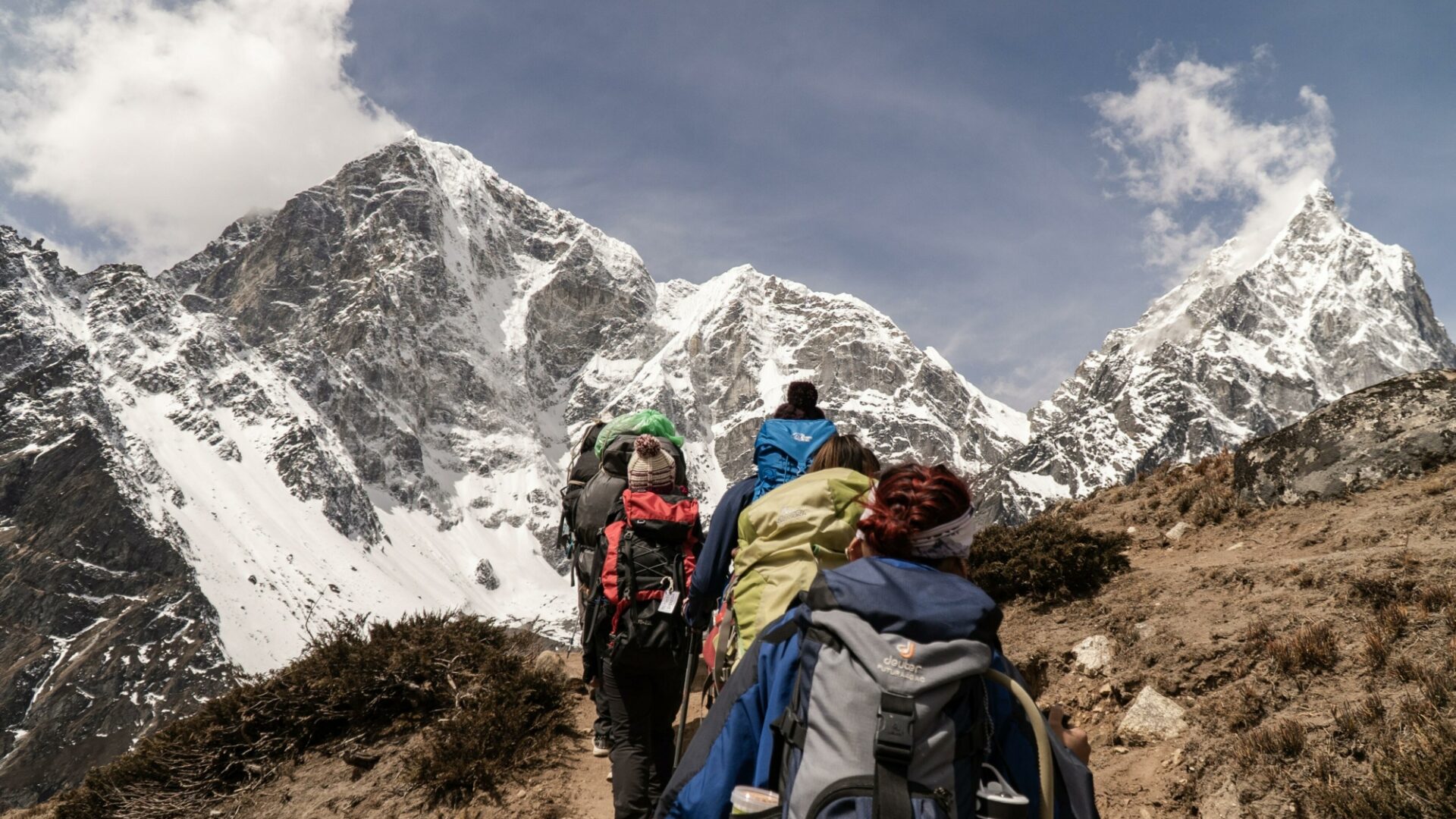
Climbing is one of the most rewarding ways to test yourself, but it is also one of the few sports where preparation has to go beyond kit, weather checks and route planning. Anyone heading into steep, exposed or remote terrain should think about how they would cope financially if an accident stopped them working. This is why many climbers now look into mountaineering insurance before taking on bigger routes, overseas expeditions or more demanding conditions.
Mountaineering Carries Risks That Standard Policies Often Miss
Mountaineering is not the same as a casual weekend walk. It can involve altitude, ice, rockfall, changing weather, technical equipment and long periods away from immediate help. Even experienced climbers can be caught out by a slip, falling debris, avalanche conditions or a sudden change in visibility. When something goes wrong, the consequences can affect much more than the climb itself.
A serious injury can mean weeks or months away from work. For self-employed people, tradespeople, business owners and those in physically demanding careers, that can create immediate pressure. Mortgage payments, bills and family commitments do not pause because someone is recovering from a fall or waiting for treatment. Financial protection matters, especially for people whose income depends on being fit, mobile and able to work.
Many standard insurance policies are not built with mountaineering in mind. Some exclude high-risk sports altogether. Others provide limited cover, or fail to reflect the reality of more technical climbs. A climber can think they are protected, only to find that a claim becomes complicated because the activity sits outside the policy wording.
What Can Mountaineering Insurance Help With?
The right cover can give climbers financial support if they are injured while taking part in mountaineering. The exact terms will depend on the policy, the level of activity and the insurer, but cover can often be arranged around accident-related injury, loss of income, serious disability, critical illness and protection for loved ones if the worst happens.
For many climbers, income protection is one of the biggest considerations. If an accident means they cannot work for a period of time, a regular monthly benefit can help keep essential payments covered. This can be useful for people who receive limited sick pay, work for themselves or have a household that depends heavily on their income.
Life insurance and critical illness cover may also be worth reviewing. Climbers often have to work harder to find cover that accounts for mountaineering properly, rather than trying to fit into a standard policy that was never designed for them.
Why Tailored Cover Matters
No two climbers have exactly the same risk profile. Someone doing occasional guided climbs in the UK has different needs from someone tackling alpine routes, winter climbs, ice climbing or overseas expeditions. The insurer will usually want to understand the type of climbing involved, how often it takes place, where it happens and whether the person climbs professionally, competitively or recreationally.
This is where specialist advice is useful. A tailored policy can reflect the real activity, instead of relying on broad assumptions. It can also help avoid gaps between what the climber thinks is covered and what the insurer is prepared to accept at claim stage.
A specialist adviser will usually ask about the type of mountaineering, how often you climb, the countries or regions you visit, your experience level, your occupation, your financial commitments and any past injuries. These questions give insurers the information they need to offer suitable terms.
Who Should Think About This Type Of Cover?
Mountaineering insurance is worth considering for a wide range of climbers. It is not only for elite alpinists or sponsored athletes. Recreational climbers can still suffer serious injuries, especially in remote terrain or winter conditions. A single fall can affect employment, mobility and long-term plans.
It can be particularly relevant for people with dependants, mortgages or limited savings. If a household relies on one person’s income, the financial impact of an accident can be severe. Even those with good employer sick pay may find that support reduces after a few months, leaving a gap if recovery takes longer than expected.
Self-employed climbers and company directors should pay close attention. Without a strong sick pay arrangement, time away from work can quickly affect personal finances and business stability. For these people, the right cover can protect more than a payslip. It can protect the structure of their life while they focus on recovery.
Common Mistakes Climbers Make With Insurance
One common mistake is assuming that an existing policy already covers mountaineering. A standard life insurance or income protection policy may not automatically include higher-risk sports. Some policies require the activity to be disclosed at application stage. Others may apply exclusions, ratings or special terms.
Another mistake is choosing cover based only on price. Cheap cover is not helpful if it excludes the activity that creates the risk. Climbers should understand what counts as mountaineering, what countries are included, what altitude limits apply and what happens if they climb independently rather than with a guide.
It is also easy to underestimate the cost of recovery. Even with NHS treatment, there can still be private physiotherapy costs, travel expenses, reduced income and wider household pressure. Insurance is not only about the accident itself. It is about the financial strain that follows.
Protecting The Freedom To Climb
Mountaineering will always involve risk. That is part of what makes it challenging and rewarding. The goal is not to remove every risk, because no policy can do that. The aim is to make sure that if something does go wrong, the financial impact does not become harder than the injury itself.
For climbers who want tailored support, specialist providers are often the best place to start. Sports FS has experience arranging cover for people involved in high-risk sports and physically demanding careers, with policies built around the person rather than a blanket approach. For mountaineers who have struggled with standard insurers, that specialist understanding can make a real difference.